Shaping farewells
Some goodbyes happen to us.Others we have to make ourselves.Both deserve a formthat fits them.
When someone has died
Death takes a moment.Saying goodbye takes time.
It can begin while someone is still here, with words that still want to be said. Then the moment when everything stands still, and the days in between. Then the funeral. And the time afterwards, which never ends.
I walk with you through all of it, and together we find a farewell as unique as the person you’re saying goodbye to.
I don’t start with a catalogue, or with what people usually do. But with all the small and big things that made this person who they were.
It doesn’t have to be more.Just more of this person.
Read more
You don’t need to be creative. You don’t need to have an idea yet.
You tell me about this one, completely unique person. The big stories and the small ones. The important things, the absurd ones, the completely ordinary ones. I listen for the things that say something about them. From there, we think further together.
Maybe a small quirk turns into a ritual. Maybe something you send with them. Or something that stays with you through this time, and after.
Of course there are also things that simply have to be taken care of. We take care of those together, too. But my work is above all about the details. The small and sometimes bigger things that make the farewell feel like them.
I work independently, with different funeral homes and artists, or with the funeral home of your choice.
It might help to first read, in your own time, what this could look like (flyers in German):
A loved one has diedYour child has diedYour baby has died
What it could look like





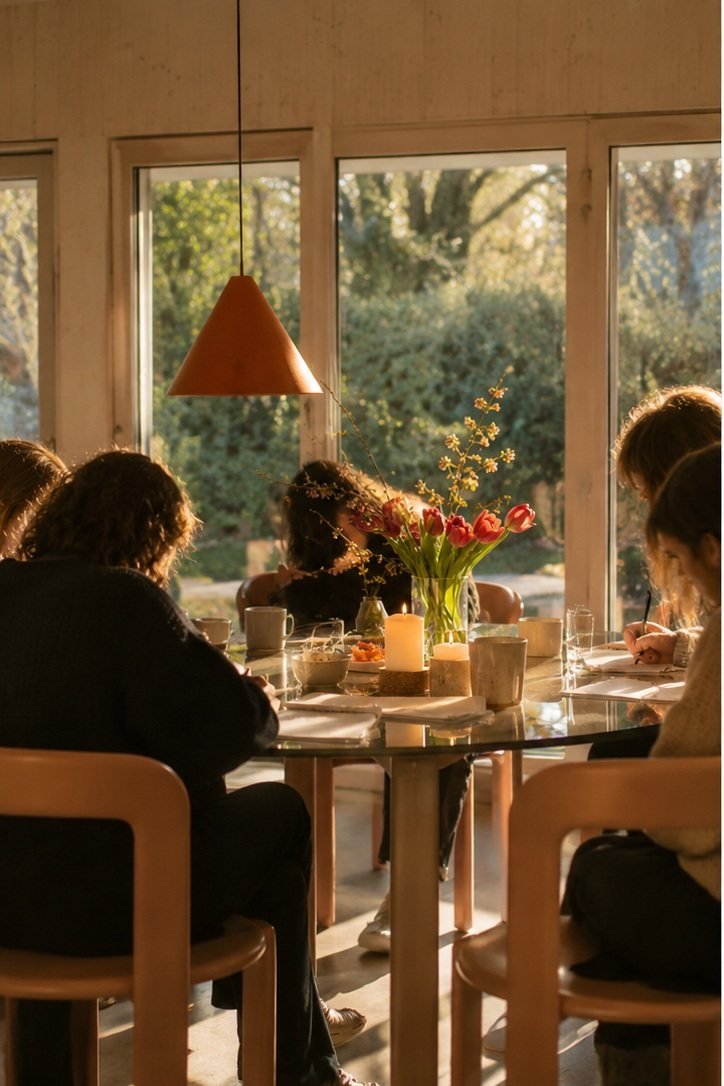
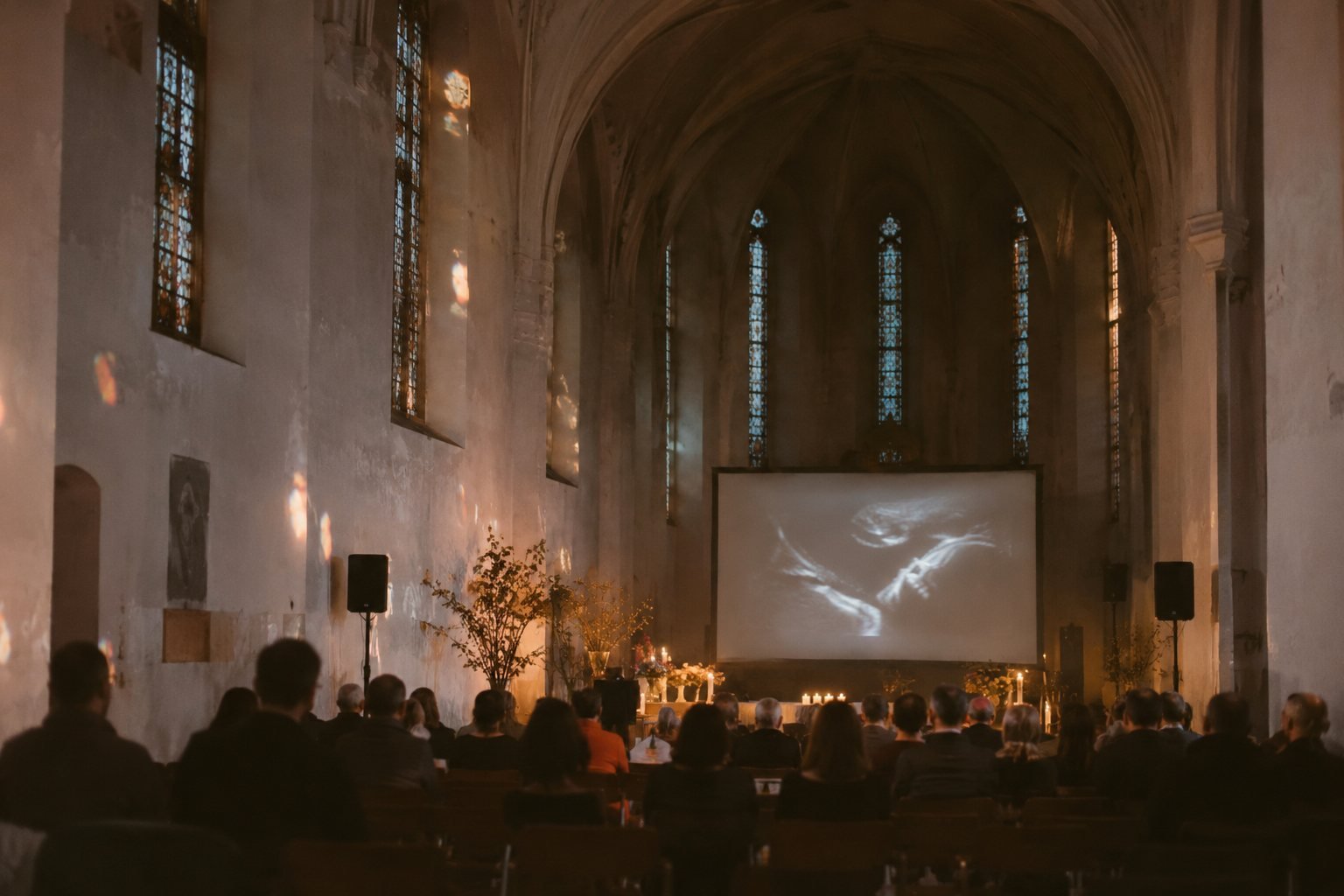
When we have to let go
Not every farewell has a funeral.
A place you leave. A relationship that is over. A future that won’t happen. That is grief too. It’s just that often no one sees it.
An ending without a form keeps going round in your head. A form gives it a place, and gives you room again. I help you find it.
Read more
Sometimes something ends without anyone having died. Then we often say: I have to say goodbye to this. But we don’t call it grief. And yet it is grief.
The grief researcher Kenneth Doka calls this disenfranchised grief: grief that has no official place. There is no card, no day off, no ceremony. And yet it is there. That is exactly why it needs a form: a moment in which it may be seen.
A ritual gives what is invisible a beginning and an end. Because knowing that something is over is not the same as feeling it. Only when you do something can your body catch up with where your head already is.
A form doesn’t have to be big. A key you hand back. A letter you never send. A doorstep you sweep one last time. Something you put into the earth.
We’ll find out together what this could look like for you. What mattered to you? What should stay, and what can go? Who should be there? Sometimes it becomes something very small in everyday life. Sometimes an evening with the people who matter to you.
What it could look like


How we work together
- Getting to know each other. We start with a free 30-minute conversation. You tell me what happened, where you are right now and what you wish for.
- Proposal. I suggest what I could do and roughly how much time it takes. We talk it through and look together at what you really need.
- Making it happen. You do it yourself, or we do it together.
My hourly rate is €120. Usually 1 to 3 hours are enough to develop something concrete, which we then do together or you do yourself.