
Casa CocoA house for Coco.And a place for everyone who is grieving.
How it began
The day before our daughter Coco was stillborn, we started building a house on the edge of Berlin.
When I came home without her, I couldn’t stay inside, because of the empty nursery. I couldn’t go out either, because people would ask where my baby was. And at the cemetery, I didn’t know what to do.
There was no place for what had happened. And no place for what was happening to me. I was no longer who I had been. But I didn’t yet know who I would become.
And then there was my biggest fear: that Coco would be forgotten. She was stillborn, and hardly anyone had seen her. Again and again I heard things that made it sound as if it hadn’t been a real life. I was constantly thinking about how to make sure she wouldn’t be forgotten. Not by us, and not by anyone else.
So we decided: the house we were building would carry her with us. Every day, in every room. And that’s how Casa Coco was born.
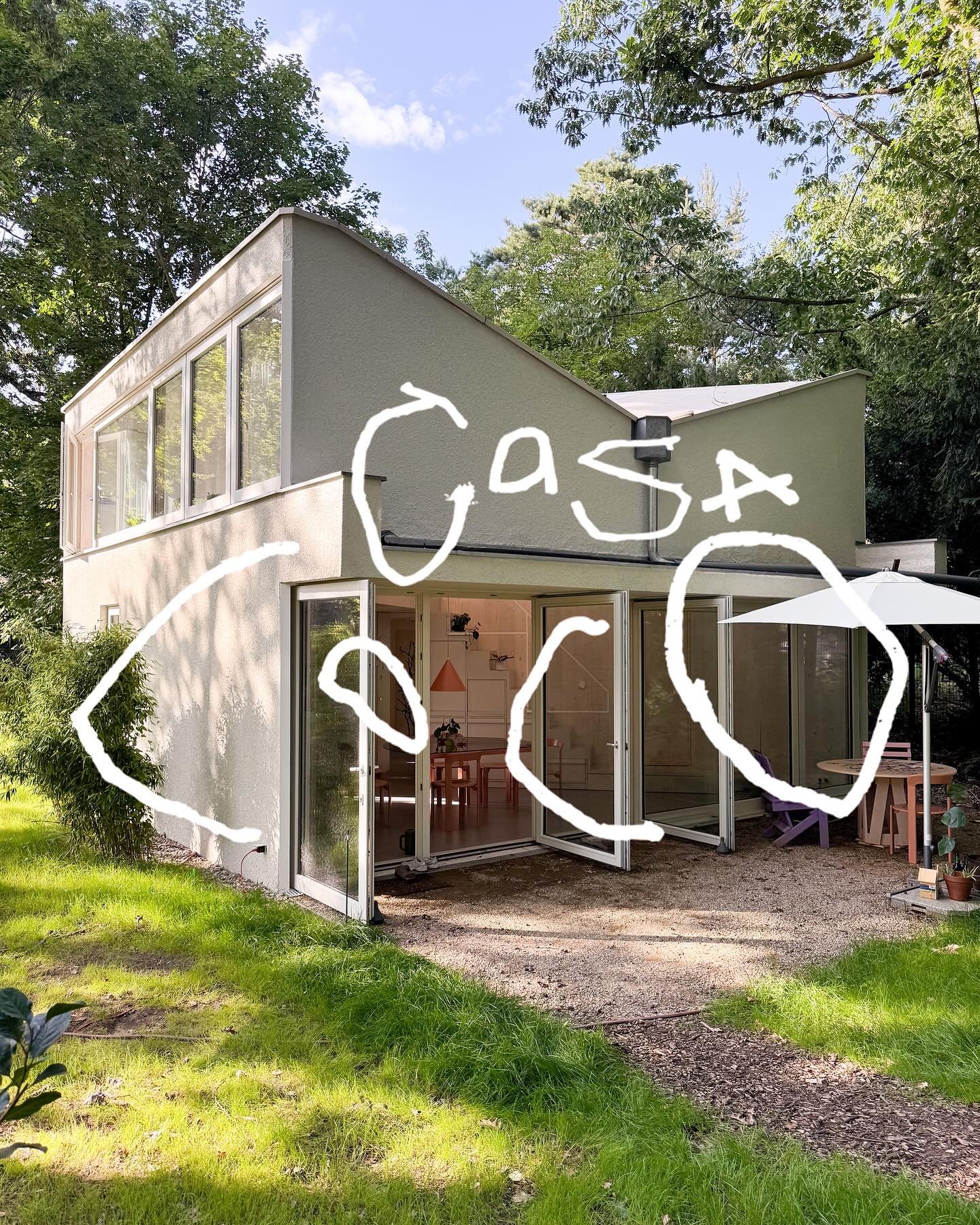
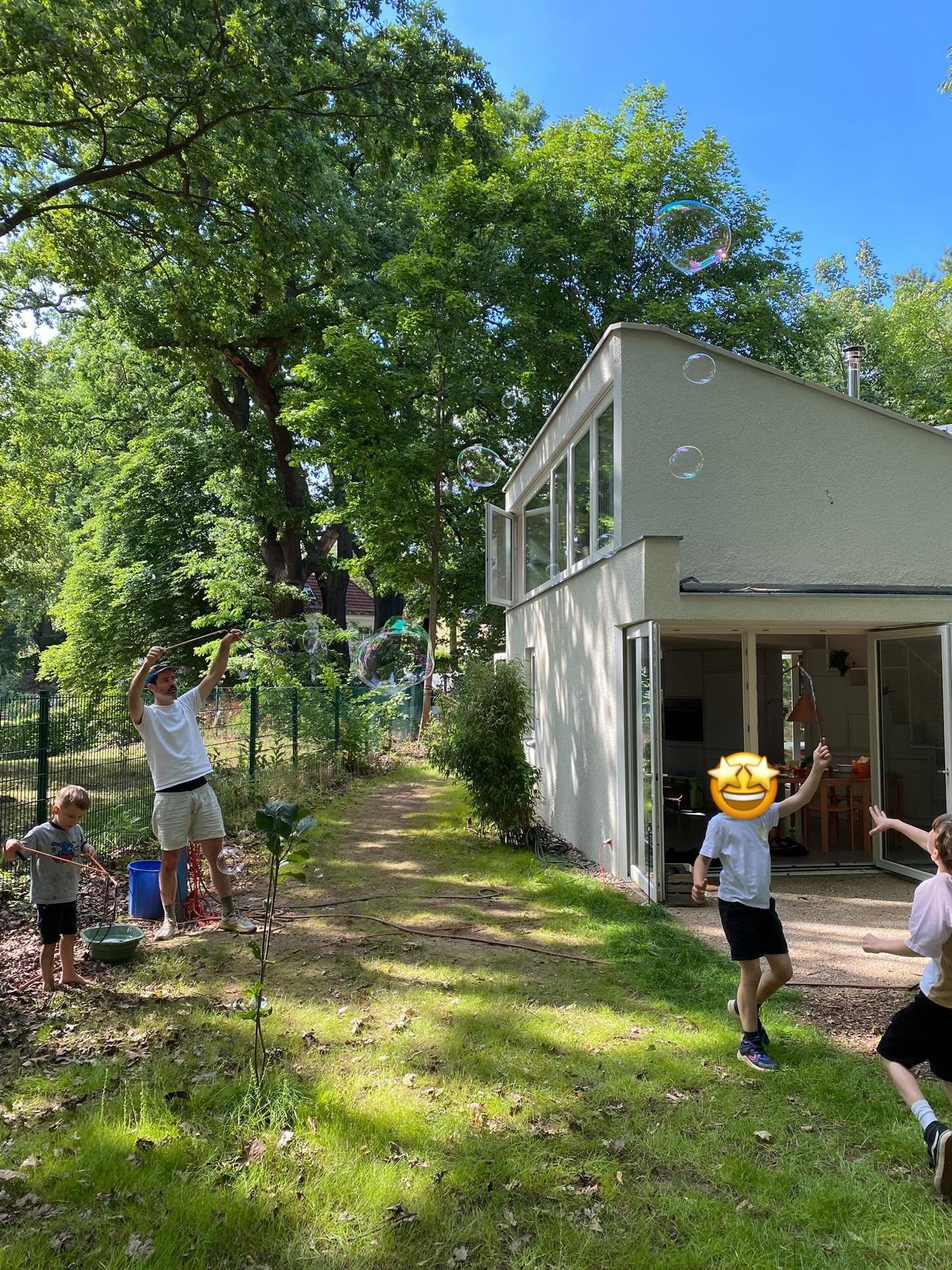
A wooden house with a garden in Kleinmachnow, just ten minutes by bike from S-Bahn Zehlendorf. Close to the city. And just far enough away.
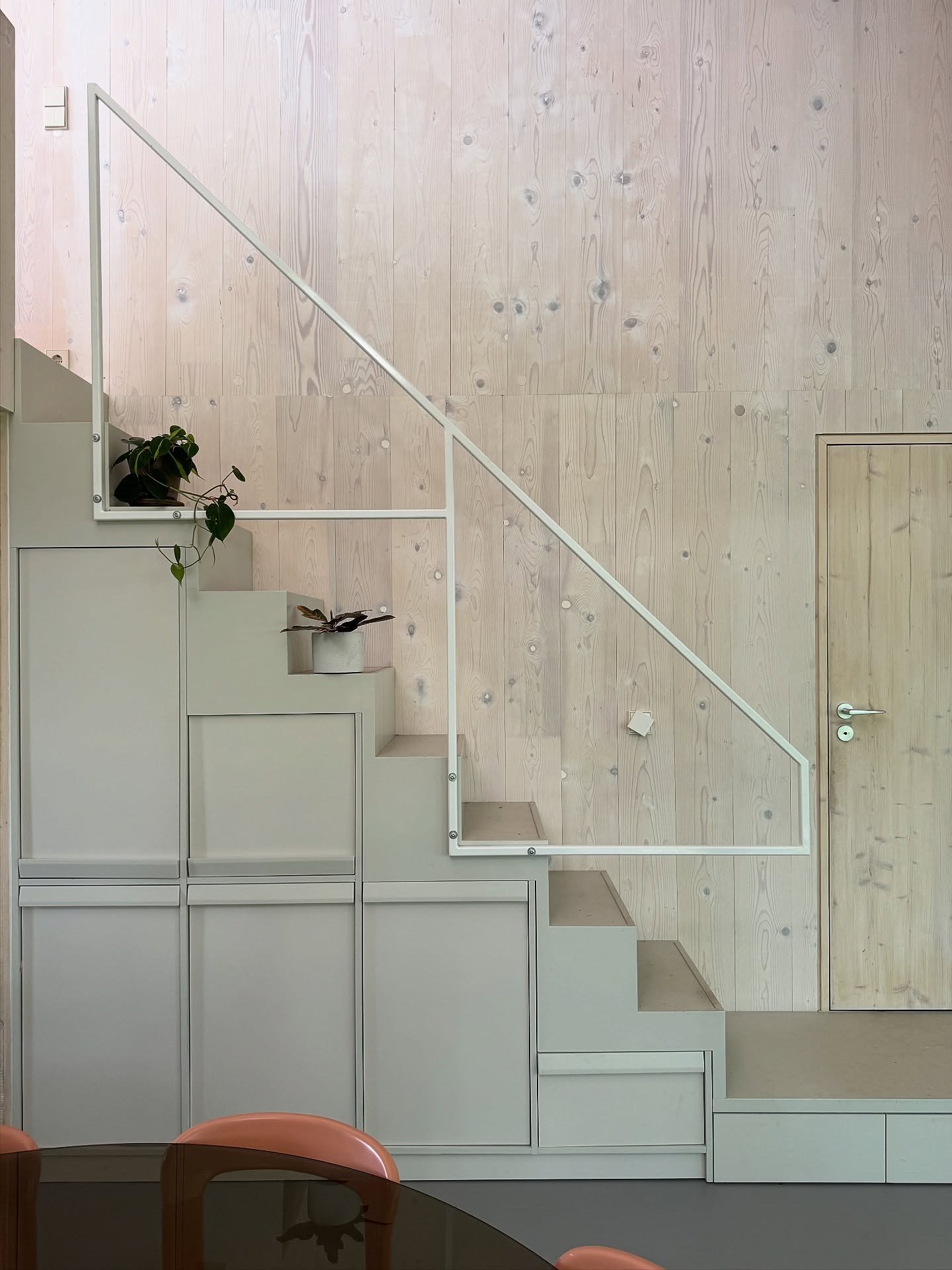
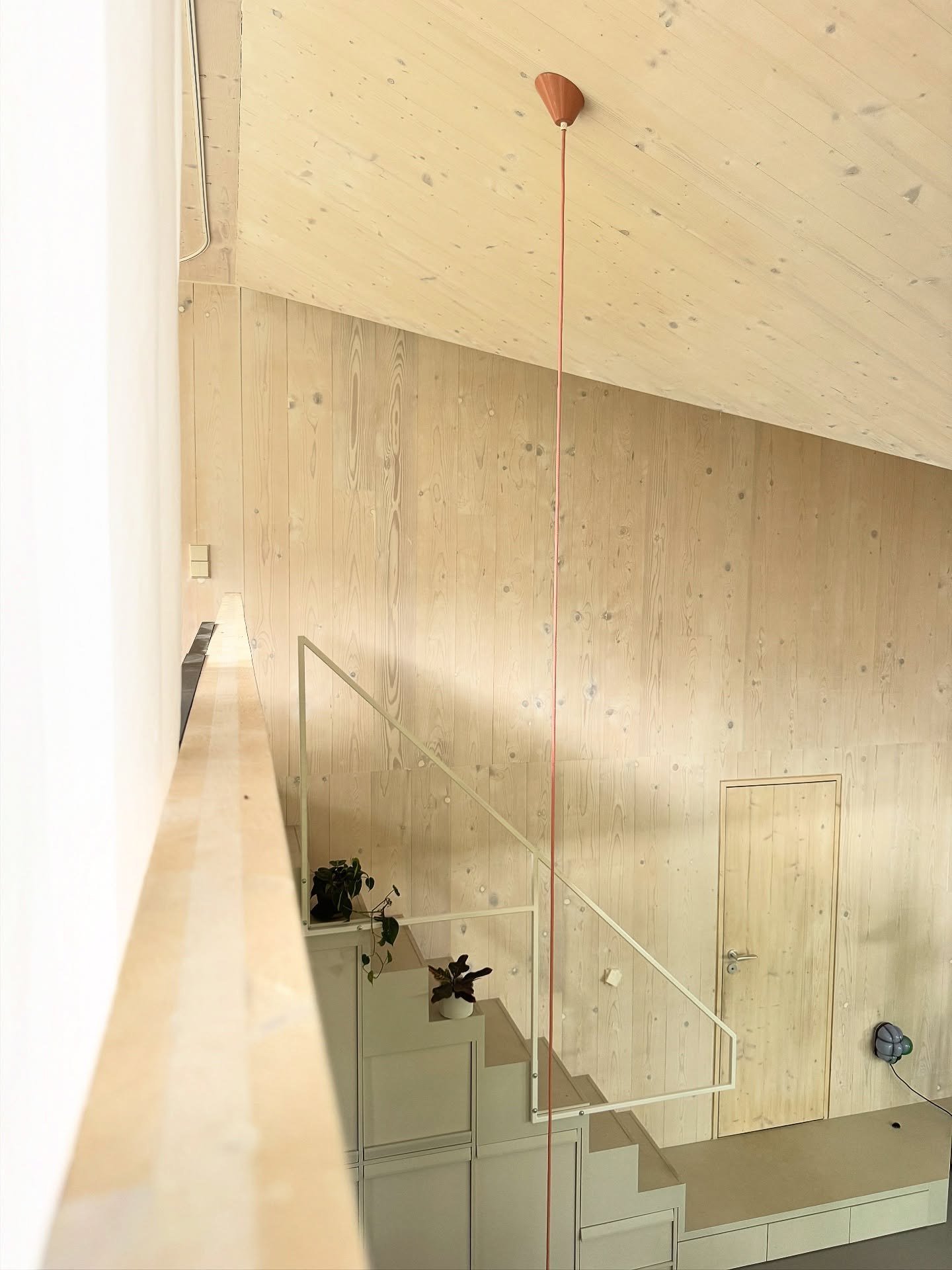
Every room in it is a triangle. Almost all the furniture is built in. And wherever the house looks outward, there’s a window. So it feels wide open.
For me, the house has become a metaphor. Something can look completely different from how you think it’s supposed to look. And it still works.



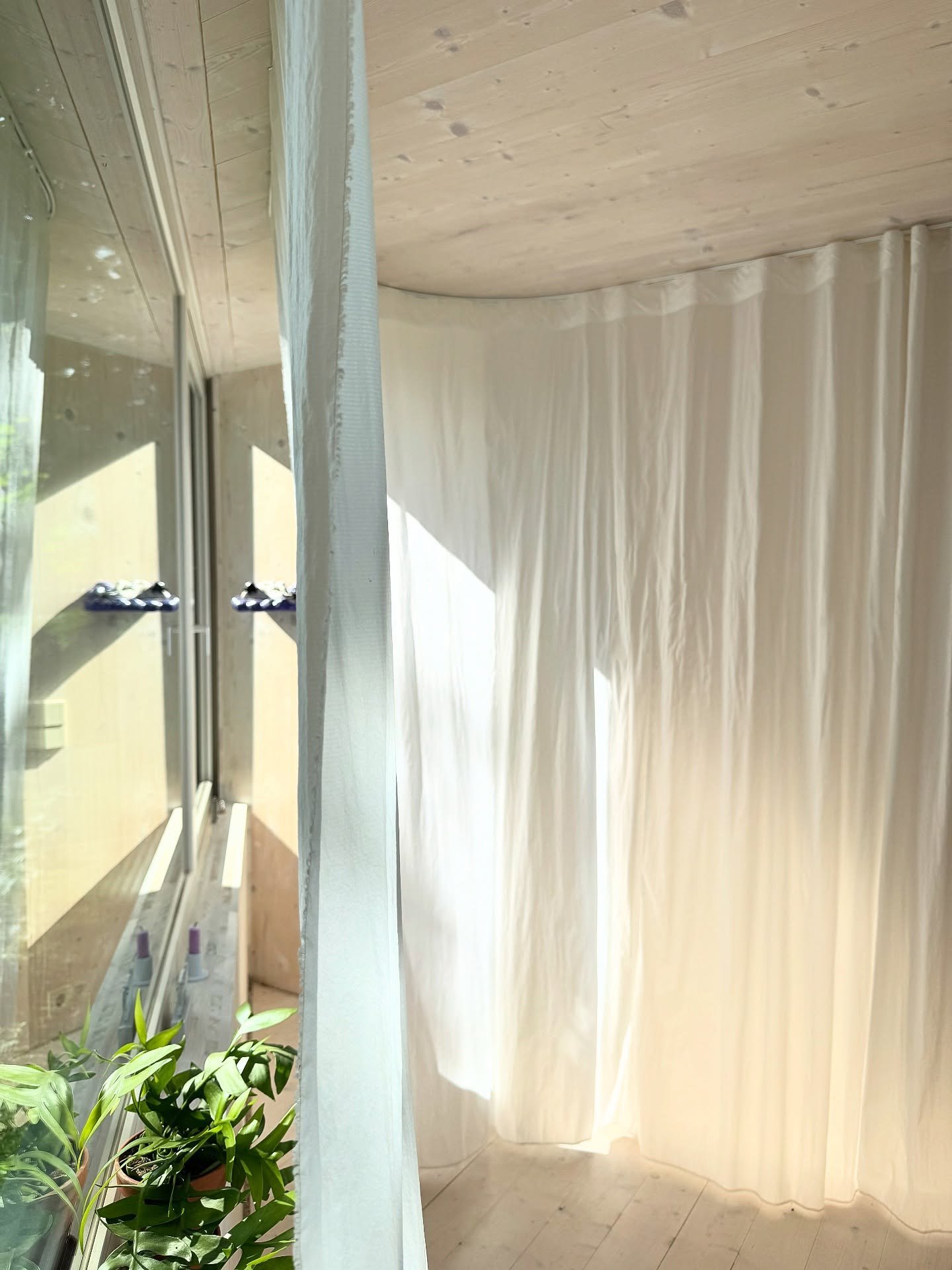
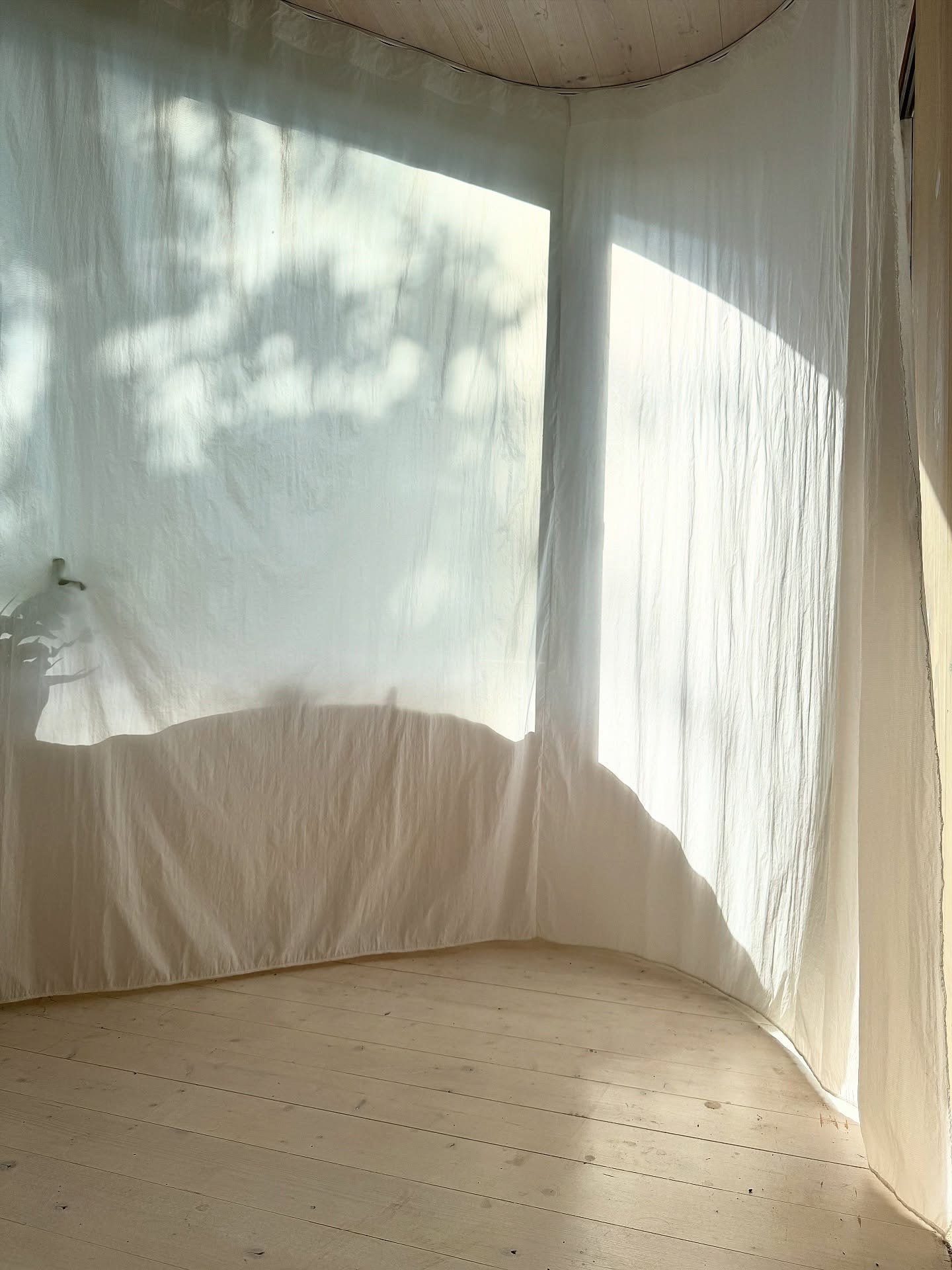

Coco is everywhere
We didn’t want to give Coco just a place in a corner. We wanted her to be everywhere. So for every room and almost every piece of furniture, we asked ourselves: how can it tell her story?
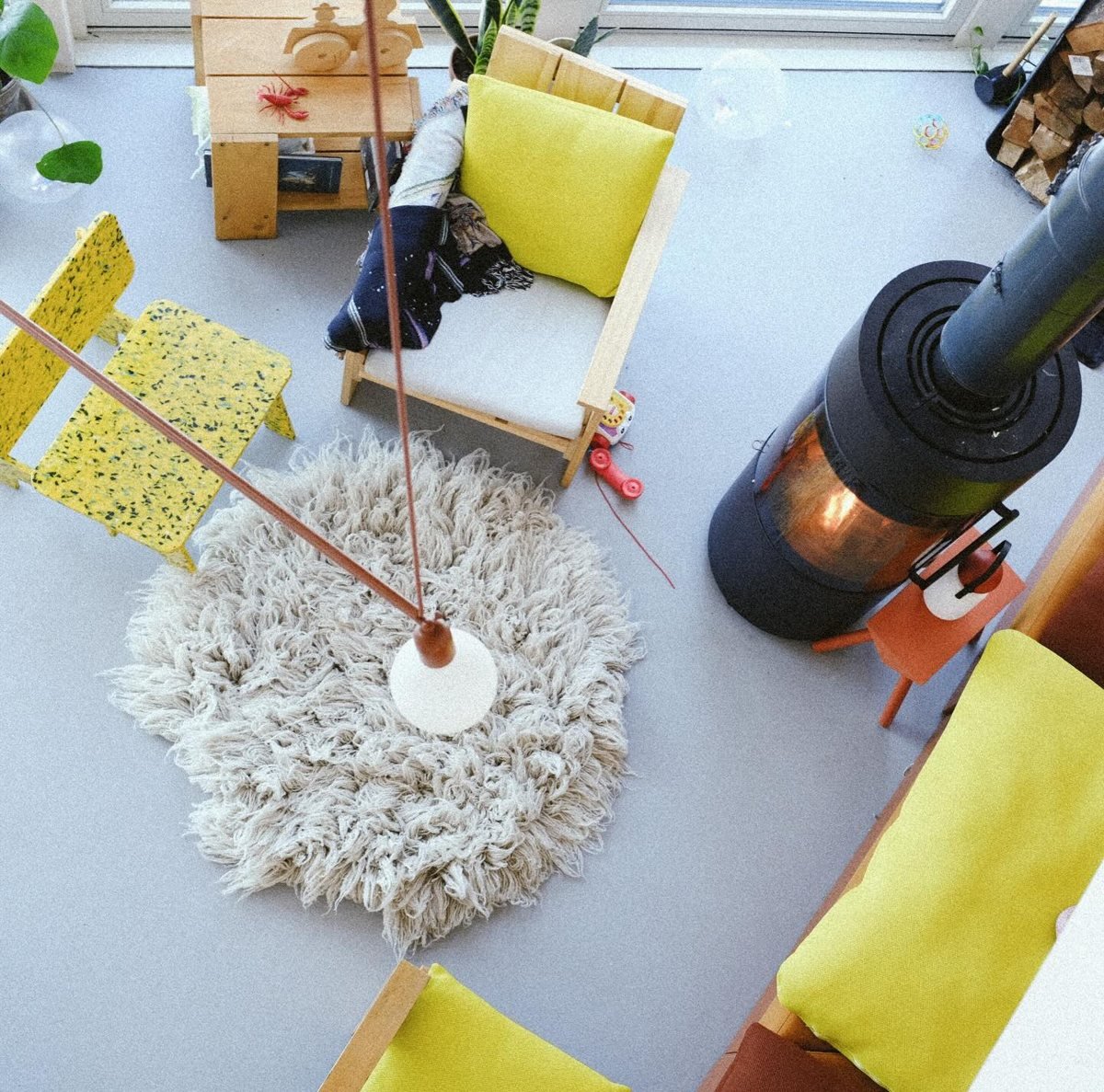
So now there’s a round table with a piece missing in our living space. Under the roof, a small star is always lit. In the garden, her name in clay stands among the flowers. And the bathroom is completely black, for the black hole and the emptiness that will always be there.
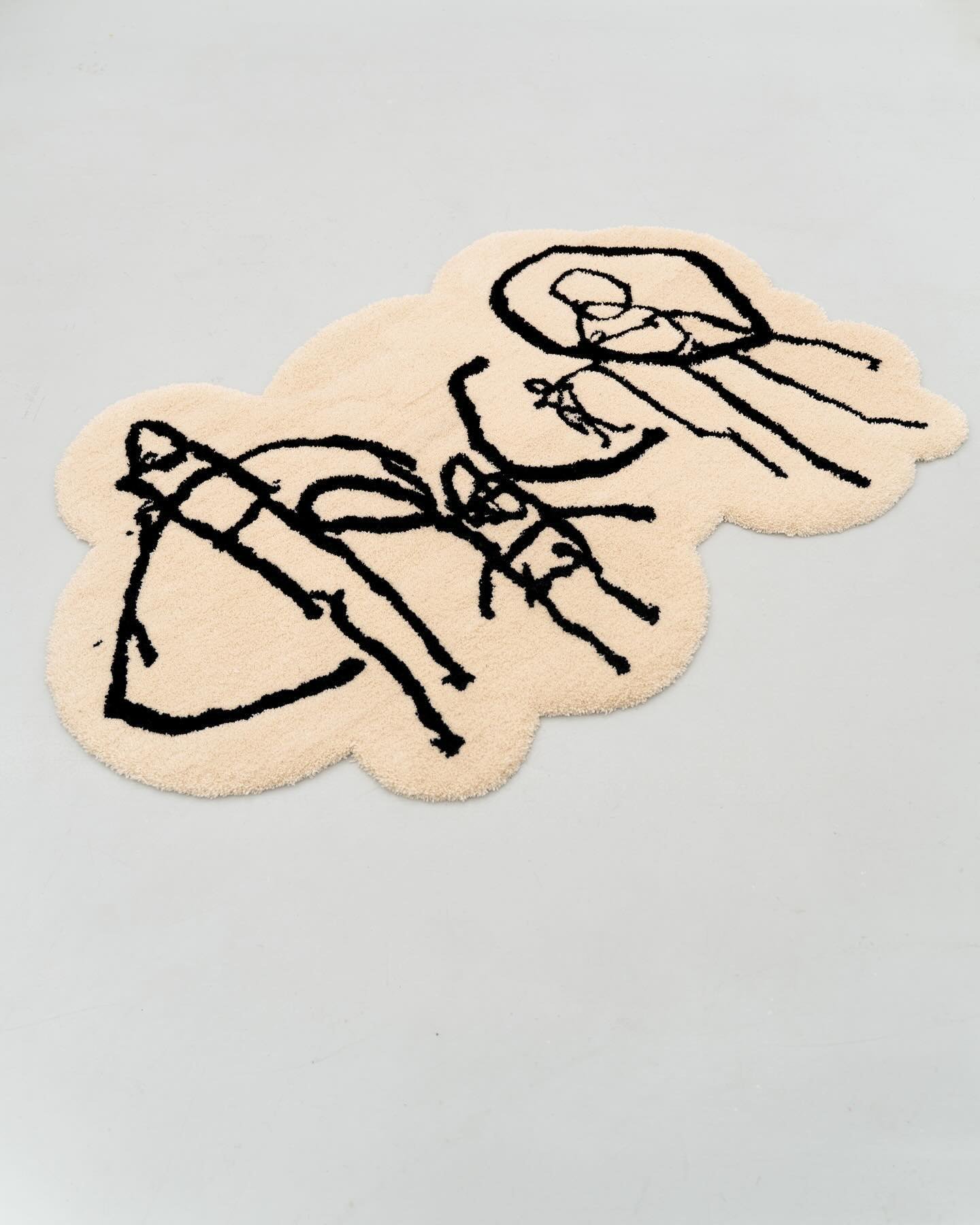
Our son Wolf drew what he thinks about his sister. We scaled up his drawing and built a table from it, a table full of thoughts. With three chairs. The fourth is missing. My husband knotted a rug from another of his drawings.
Almost every object in the house tells her story.


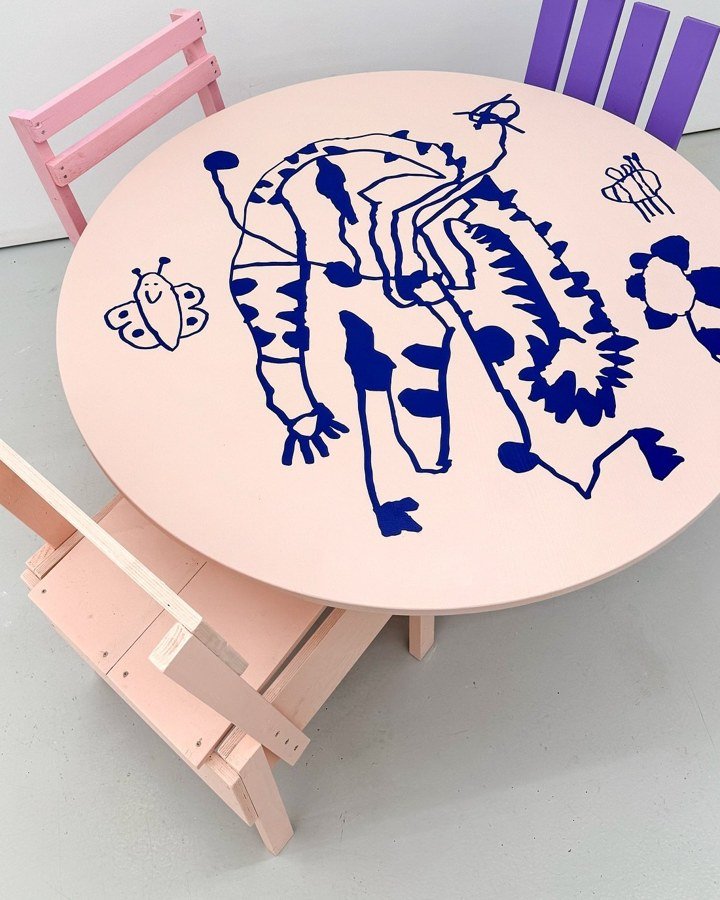

A museum for Coco
And then something incredibly beautiful happened. Because we imagined the house so radically differently, full of stories and symbols, it opened up a way for others to take part too.
Friends and family brought things for Coco or made things for her. A friend shaped a heart out of ceramics. Others made candle holders or painted pictures. Neighbours brought plants for Coco’s corner in the garden. Little by little, the house became a kind of museum for Coco.
Around a subject where most people don’t know what to say or do, and so stay silent, there was suddenly a way to be part of it. To contribute something.
That still drives my work today. There is so little shared culture of grief. That’s why it sometimes takes a radically different path to open up space. A space full of stories, symbols and beauty, where others can join in and help shape it.
An open house
When we were planning the house, we wrote down what it should be like:
“A beautiful house full of light, surrounded by green. Full of cozy chaos, music and people enjoying each other’s company. And there is food for all.”
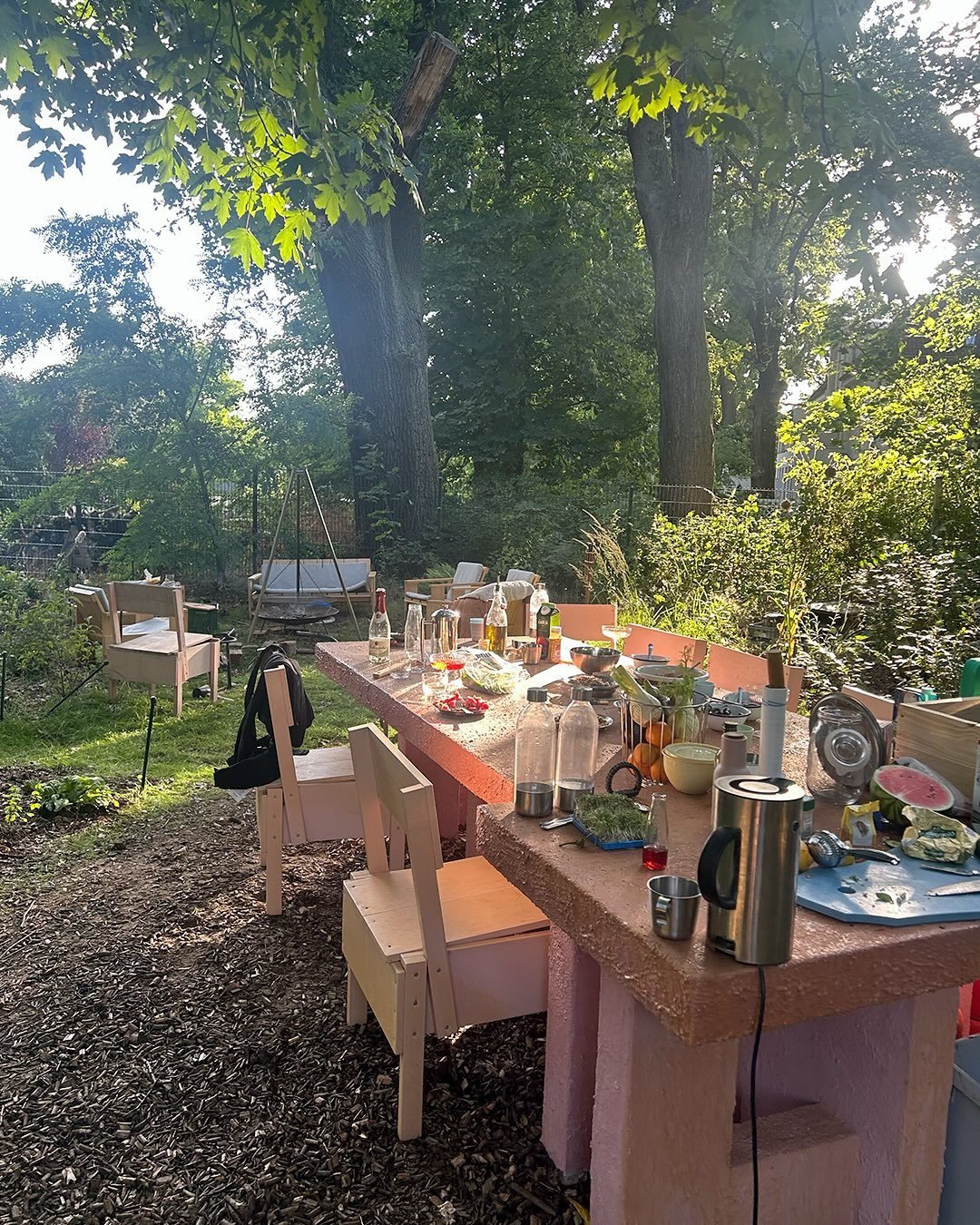
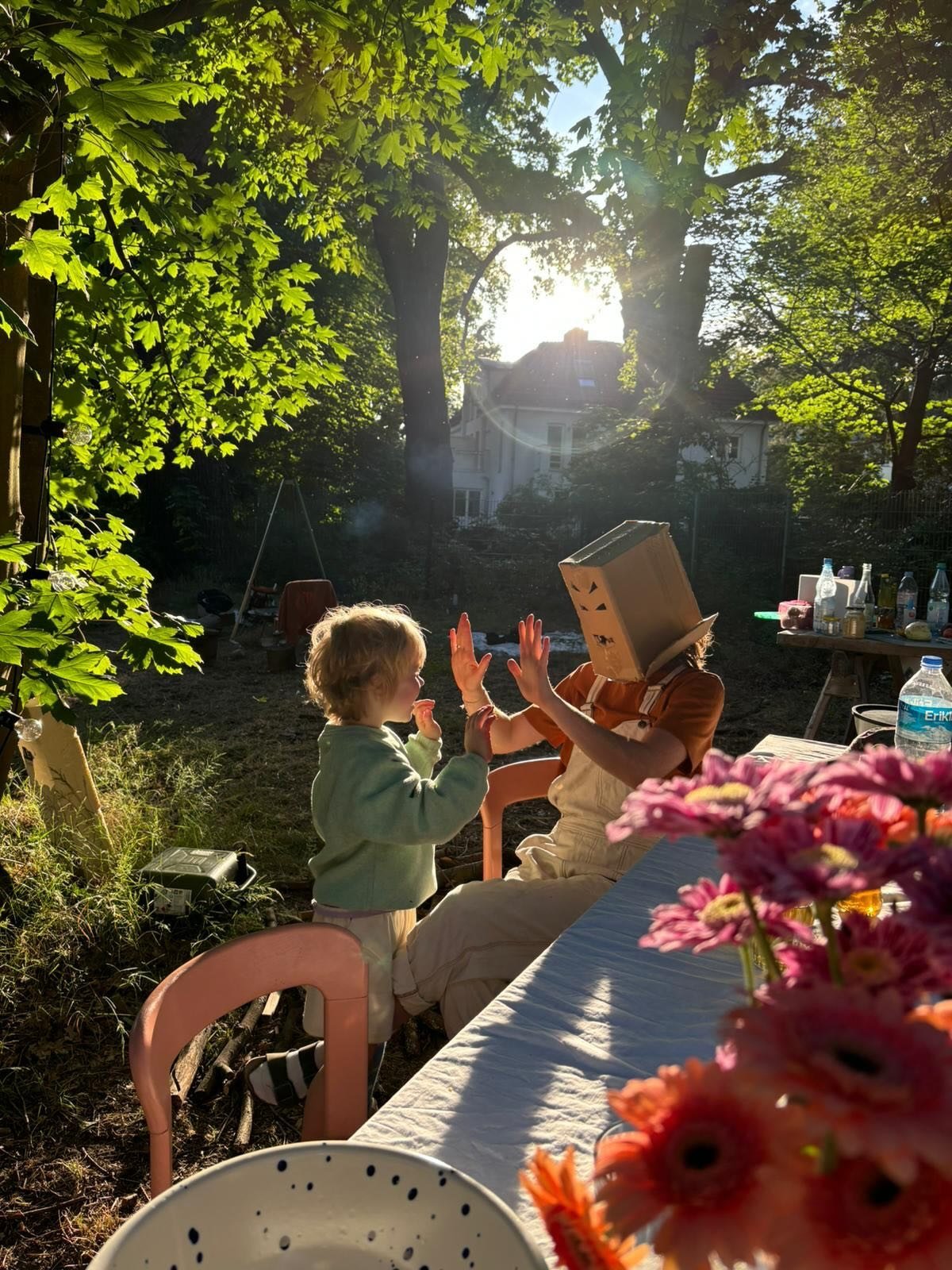
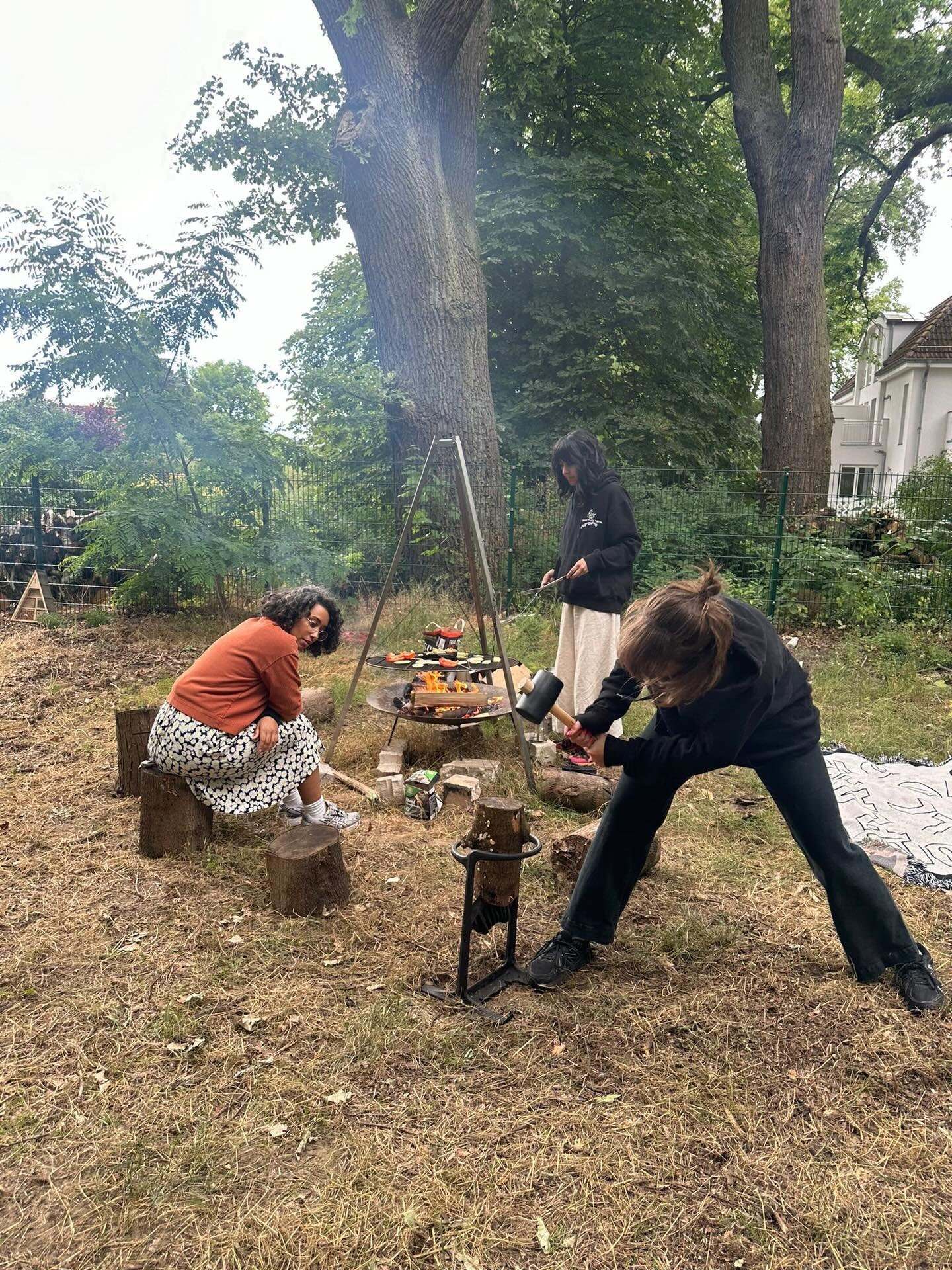
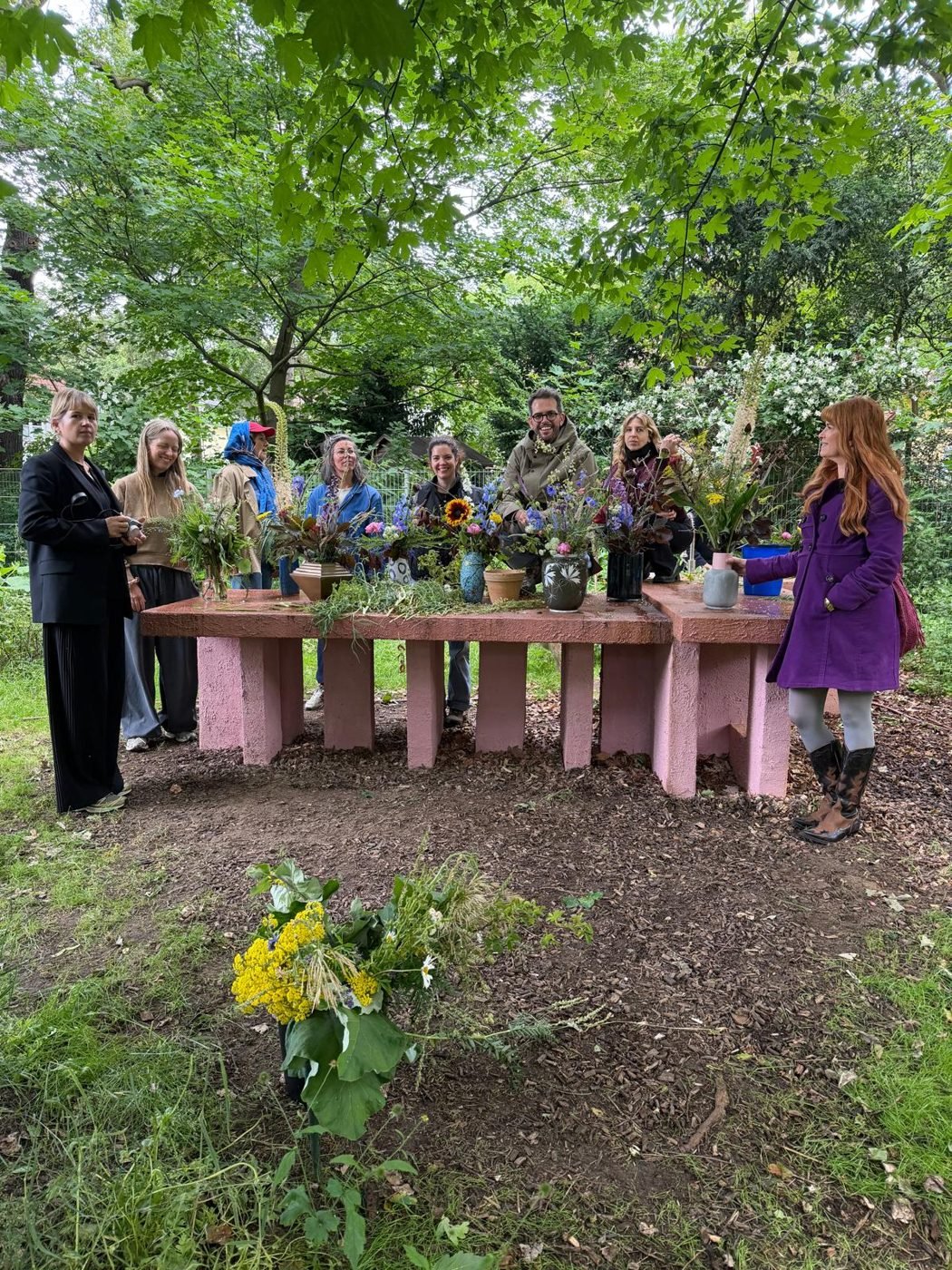
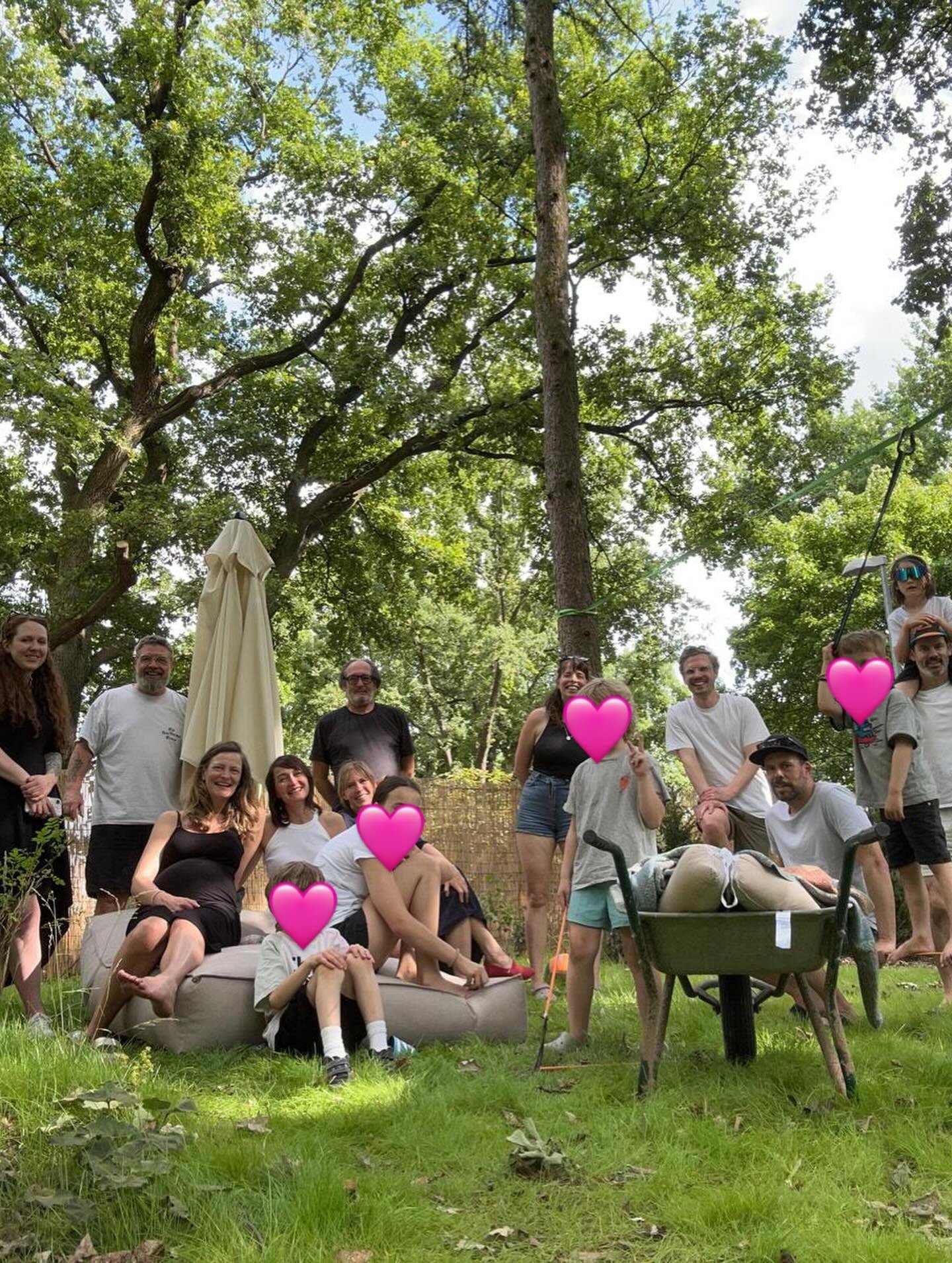
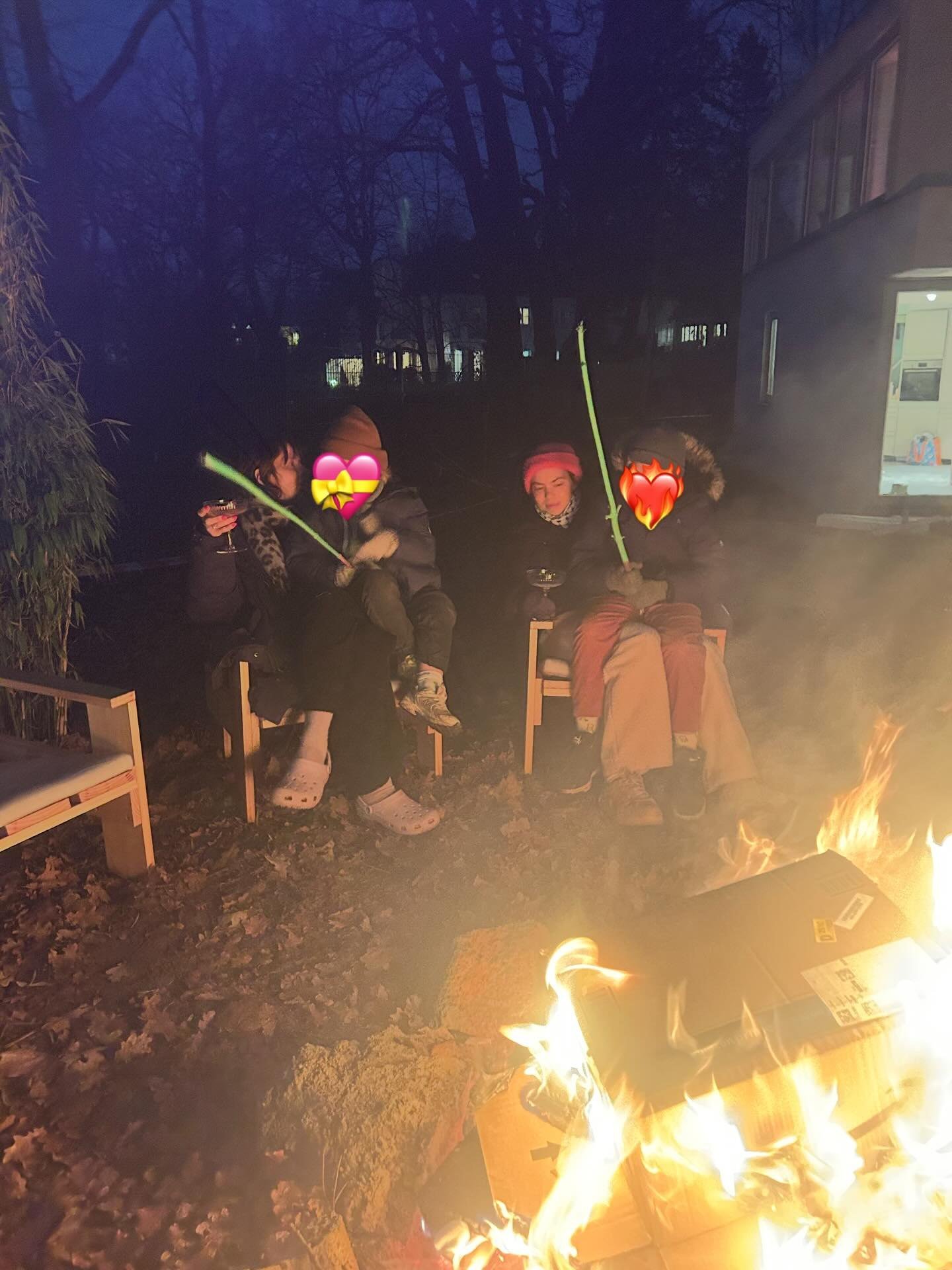
That’s exactly what it became. A house for guests, with a long table in the garden and a fire bowl. A house for being together, for enjoying life and being fully present for everything that belongs to it.
That’s why I open Casa Coco to others too, and to their grief. What I found here for Coco, I now do with others: together we look for a form for what is missing. For a farewell, a memory, a ritual.
This is where our creative workshops happen: the Casa Coco Grief Collective. Where I walk with people through their grief. Where we create memories and hold ceremonies.
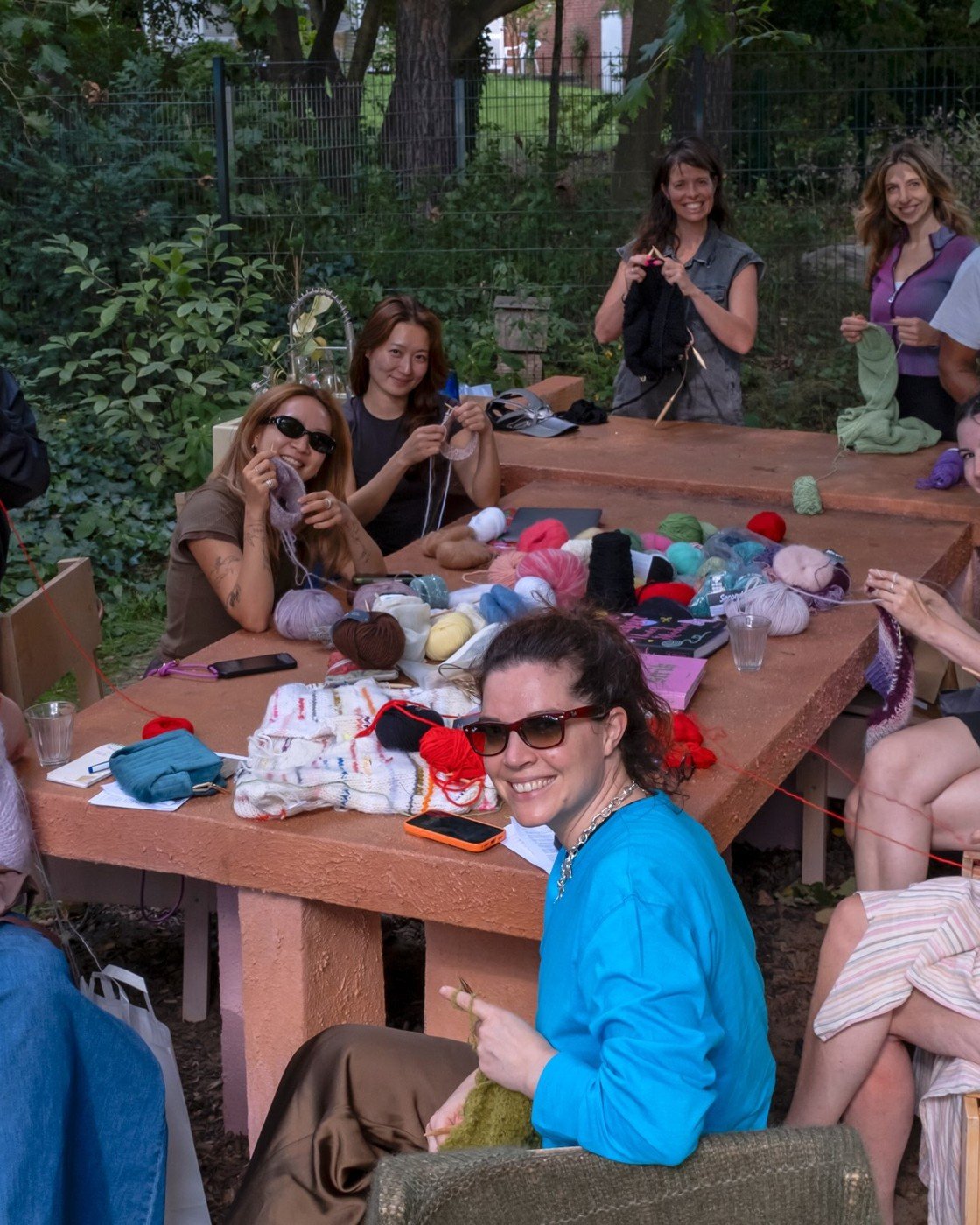
At the knitting workshop, twelve people who had never met sat at the long table in the garden. At the writing workshop, ten of us sat around the table inside, and in the end everyone stayed two hours longer. Nobody wanted to leave, it was that beautiful.
Good food and good drinks are always part of it. For me, that’s a stance: making room for grief doesn’t mean everything has to be heavy or look sad.



The door of Casa Coco is open.
For grief, for celebrations, for new ideas.
What would you like to create here?